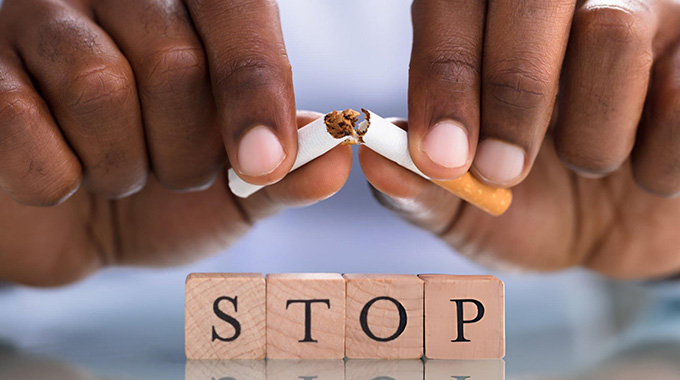
Tobacco kills over 8 million people globally each year. In Kenya, evidence-based harm reduction is changing how we approach smoking — from awareness to recovery.
Smoking remains one of the leading causes of preventable death worldwide. In Kenya, tobacco use continues to exact a heavy toll on individuals, families, and communities. Understanding what happens to your body when you smoke — and what recovery looks like — is the first step towards making informed decisions about your health.
When You Smoke, What Happens?
Every cigarette contains over 7,000 chemicals, including at least 70 known carcinogens (cancer-causing substances). When you light a cigarette and inhale, these chemicals enter your lungs almost immediately and are absorbed into your bloodstream within seconds.
Key toxic components include:
- Nicotine: The addictive substance that causes dependency and increases heart rate and blood pressure.
- Tar: A sticky, dark residue that accumulates in the lungs and airways, impairing their function over time.
- Carbon monoxide: Reduces the blood's ability to carry oxygen, straining the heart and other organs.
- Formaldehyde, arsenic, lead, and benzene: Carcinogens that damage cells and DNA.
- Hydrogen cyanide: Damages the tiny cilia (hair-like structures) in the airways that help clear mucus.
Within minutes of smoking, your heart rate increases, your blood vessels constrict, and your body begins experiencing the effects of these toxins. Repeated exposure leads to cumulative damage that, over years, results in serious and often irreversible health conditions.
Your Lungs and Airways
The lungs are perhaps the most obviously affected organ. Tar builds up in the airways and lung tissue, causing inflammation, reduced capacity, and progressive damage. The cilia in the airways — which normally sweep out debris and mucus — are paralysed by smoke, leaving the lungs vulnerable to infection and accumulation of toxins.
This leads to chronic coughs (smoker's cough), increased susceptibility to respiratory infections such as pneumonia and bronchitis, and ultimately, potentially fatal conditions such as:
- Chronic Obstructive Pulmonary Disease (COPD), including emphysema and chronic bronchitis
- Lung cancer — smoking causes approximately 85% of all lung cancer cases
- Reduced lung function and exercise tolerance
- Worsening of asthma symptoms
Heart and Circulation
Smoking is one of the most significant risk factors for cardiovascular disease. Nicotine and carbon monoxide work together to damage the cardiovascular system in multiple ways. Nicotine raises blood pressure and increases the tendency of blood to clot, while carbon monoxide reduces oxygen delivery to the heart and other organs.
Over time, smoking causes the build-up of fatty deposits (atherosclerosis) in the arteries, narrowing them and restricting blood flow. This dramatically increases the risk of:
- Heart attacks (myocardial infarction)
- Strokes
- Peripheral artery disease
- Aneurysms
Smokers are 2-4 times more likely to develop coronary heart disease and 2-4 times more likely to suffer a stroke compared to non-smokers.
Nicotine Addiction
Nicotine is a highly addictive substance. When you smoke, nicotine reaches the brain within 10-20 seconds, triggering the release of dopamine — a neurotransmitter associated with pleasure and reward. This creates a powerful cycle of craving and relief that makes smoking extremely difficult to stop.
The physical symptoms of nicotine withdrawal — irritability, anxiety, difficulty concentrating, increased appetite, and intense cravings — begin within hours of the last cigarette and can persist for weeks or months. This is why willpower alone is often insufficient; most smokers benefit greatly from evidence-based support.
"Nicotine addiction is a medical condition, not a moral failing. Treatment should be approached with the same compassion and evidence-based care as any other chronic condition." — World Health Organization
The Dangers of Smoking to Your Health
Beyond the lungs and heart, smoking affects virtually every organ system in the body:
- Cancer: Smoking causes cancers of the lung, throat, mouth, oesophagus, stomach, bladder, kidney, cervix, and blood (leukaemia).
- Respiratory: Increased risk of pneumonia, influenza, and tuberculosis.
- Reproductive health: In women, smoking affects fertility, increases risk of ectopic pregnancy and miscarriage, and can cause complications in pregnancy. In men, smoking reduces sperm quality and count.
- Ageing: Smoking accelerates skin ageing, causes premature wrinkles, and contributes to hair loss.
- Oral health: Gum disease, tooth loss, and oral cancer are all significantly increased by smoking.
- Bone health: Smoking reduces bone density and increases fracture risk.
- Eye health: Smoking doubles the risk of macular degeneration and cataracts.
Can Your Body Get Better?
The remarkable news is that the human body has a tremendous capacity for recovery after smoking cessation. The benefits begin almost immediately:
- 20 minutes: Heart rate and blood pressure begin to drop.
- 12 hours: Carbon monoxide levels in the blood return to normal.
- 2-12 weeks: Circulation improves and lung function increases.
- 1-9 months: Coughing and shortness of breath decrease; cilia in the airways begin to recover.
- 1 year: Risk of coronary heart disease is halved compared to a smoker.
- 5 years: Risk of stroke falls to that of a non-smoker.
- 10 years: Risk of lung cancer is halved; risks of cancers of the mouth, throat, oesophagus, bladder, and kidney decrease.
- 15 years: Risk of coronary heart disease is equivalent to that of someone who has never smoked.
How to Stop Smoking
The most effective approach to smoking cessation combines behavioural support with approved pharmacological treatments. Evidence-based options include:
1. Nicotine Replacement Therapy (NRT)
NRT delivers controlled doses of nicotine without the harmful toxins of cigarette smoke. Forms include patches, gums, lozenges, inhalers, and nasal sprays. NRT approximately doubles the chances of successfully quitting compared to willpower alone.
2. Prescription Medications
Varenicline (Champix/Chantix) and bupropion are prescription medications that reduce nicotine cravings and withdrawal symptoms. They work differently from NRT and may be particularly effective for those who have not succeeded with NRT alone.
3. Behavioural Support
Counselling, support groups, and quitlines significantly improve cessation rates, especially when combined with medication. Setting a quit date, identifying triggers, and developing coping strategies are all important components.
4. Lifestyle Changes
Exercise, improved diet, and stress management all support smoking cessation. Physical activity in particular has been shown to reduce nicotine cravings and withdrawal symptoms.
5. Harm Reduction Approaches
For those unable or unwilling to stop smoking entirely, harm reduction approaches — including switching to significantly less harmful nicotine products — can substantially reduce health risks while supporting a longer-term journey towards cessation.
An Adventure Worth Taking
Quitting smoking is one of the most impactful decisions a person can make for their health. It is not always easy, but it is always worth it. The health benefits begin almost immediately and accumulate over time. With the right support and approach, millions of people successfully quit every year.
At HRSK, we are committed to supporting every Kenyan on their journey to better health, whether through cessation support, harm reduction information, or connecting individuals with professional help. No judgement — just evidence-based support for healthier lives.
